What Makes Great Headshots of People Stand Out?
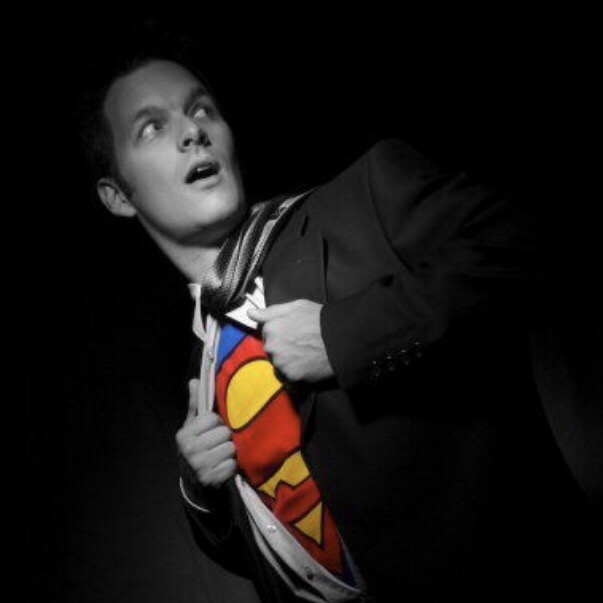
Professional headshots of people have become essential currency in today's business world. Whether you're updating your LinkedIn profile, building your company's team page, or establishing your personal brand, the quality of your headshot directly impacts how others perceive you. But what separates a mediocre snapshot from a headshot that actually helps you stand out? Let's break down exactly what makes great headshots of people work.
The Foundation: Understanding What Headshots Really Are
A headshot isn't just a photo of someone's face. It's a carefully crafted image that communicates professionalism, approachability, and confidence within a fraction of a second.
The best headshots of people capture authentic expressions while maintaining polished quality. They show you at your best without looking overly retouched or artificial. This balance is harder to achieve than most people think.
Professional vs. Amateur: The Real Difference
Here's what separates professional headshots from smartphone selfies:
Lighting quality that flatters facial features and minimizes harsh shadows
Background selection that keeps attention on the subject
Proper focal length that avoids distortion (typically 85-135mm)
Eye sharpness that creates instant connection with viewers
Consistent quality across multiple shots and subjects
According to professional headshot photography tips, the key is maintaining simplicity while ensuring technical excellence. Your headshot should communicate who you are without unnecessary distractions.
Technical Elements That Matter Most
Lighting: The Make-or-Break Factor
Natural light can work beautifully for headshots of people, but controlled studio lighting offers consistency and flexibility. The goal is even illumination that defines facial features without creating unflattering shadows.
Common lighting setups include:
Three-point lighting (key, fill, rim lights)
Butterfly lighting (centered above the subject)
Rembrandt lighting (dramatic side lighting)
Loop lighting (slight shadow from the nose)
Window light works great for softer, more natural-feeling headshots. Position your subject at a 45-degree angle to the window and use a reflector to bounce light back into shadowed areas.
The Headshot Sessions at Jeff B Photography utilize professional studio lighting to ensure every client gets consistently flattering results, regardless of Calgary's unpredictable weather.
Camera Settings and Focal Length
Setting | Recommended Range | Why It Matters |
Aperture | f/2.8 - f/5.6 | Sharp eyes, gentle background blur |
Shutter Speed | 1/125 - 1/250 | Freezes subtle movement |
ISO | 100 - 400 | Minimizes grain, maximizes quality |
Focal Length | 85mm - 135mm | Natural perspective, no distortion |
Using too wide a lens (below 50mm) creates facial distortion that makes noses appear larger and faces wider. This is why smartphone cameras, despite their quality improvements, still struggle with headshots of people.
Expression and Connection
The technical aspects matter, but expression makes or breaks a headshot.
Getting Natural, Authentic Expressions
Stiff, forced smiles kill headshots faster than poor lighting. The challenge is getting subjects comfortable enough to show their genuine personality. Professional photographers know that conversation and rapport create better expressions than simply saying "cheese."
Techniques that work:
Talk through the entire session instead of shooting in silence
Give specific direction ("Think about your last vacation") rather than vague commands ("Look happy")
Shoot continuously so subjects forget about the camera
Review images together to build confidence
The Power of Eye Contact
Eye sharpness is critical in headshots of people. If the eyes aren't tack-sharp, the entire image fails. This requires precise focus technique and often manual focus selection to ensure the near eye is the sharpest point in the frame.
Direct eye contact creates connection with viewers. Even slight variations in where someone looks (directly at camera, slightly above, or to the side) dramatically change the image's impact.
Background and Composition Choices
Selecting the Right Background
The background should complement, not compete with, your subject. Simple doesn't mean boring, but it does mean intentional.
Popular background options:
Solid colors (white, gray, navy, black)
Subtle textures (brick, wood, fabric backdrops)
Blurred environments (offices, outdoor settings)
On-location contexts (relevant to profession)
For commercial headshots, consistency matters when photographing teams. Using the same background ensures everyone looks cohesive on your website or marketing materials.
Framing and Composition
Traditional headshots of people typically frame from mid-chest up, but variations work depending on use:
Framing Style | Best For | Typical Usage |
Tight crop (head/shoulders) | LinkedIn, business cards | Professional networking |
Standard (mid-chest up) | Company websites | Team pages, about sections |
Environmental (waist/full body) | Creative fields | Portfolios, lifestyle branding |
The rule of thirds still applies. Position eyes roughly one-third down from the top of the frame. Leave slightly more space in the direction the subject faces.
Wardrobe and Styling Considerations
Clothing Choices That Photograph Well
Solid colors photograph better than busy patterns. Navy, gray, black, and jewel tones are safe choices. Avoid bright white unless it's part of a deliberate high-key look.
Wardrobe tips:
Choose outfits that represent how you want to be perceived professionally
Bring multiple options if you're getting several looks
Avoid large logos or distracting accessories
Ensure clothing is wrinkle-free and fits properly
For branding photography, wardrobe becomes even more strategic, aligning with overall brand colors and messaging.
Hair and Makeup
Professional hair and makeup aren't always necessary, but they do make a difference. At minimum, ensure hair is styled as you'd wear it professionally and use powder to reduce shine under studio lights.
Men should be freshly shaved or have well-groomed facial hair. Women benefit from slightly heavier makeup than everyday wear, as camera and lighting wash out natural color.
Post-Processing: The Final Polish
How Much Retouching Is Too Much?
The goal is to look like the best version of yourself, not like a different person. Professional retouching removes temporary distractions (blemishes, flyaway hairs) while keeping permanent features intact.
Best practices for editing headshots include:
Gentle skin smoothing that maintains texture
Color correction for accurate skin tones
Subtle dodging and burning to enhance dimension
Sharpening focused on the eyes
Over-retouching creates that artificial, plastic look that screams "heavily edited." This undermines trust and authenticity.
Consistency Across Multiple Headshots
When photographing teams or creating multiple looks for one person, maintaining consistent editing styles matters. The Branding Sessions often include headshots alongside other brand imagery, requiring cohesive post-processing across all deliverables.
Common Mistakes to Avoid
Technical Errors That Ruin Headshots
Even with expensive equipment, these mistakes sabotage headshots of people:
Using on-camera flash creates harsh, unflattering light
Shooting from the wrong angle (too low makes people look imposing, too high looks condescending)
Focusing on the wrong spot (must be the near eye)
Wrong lens choice creates distortion
Cluttered backgrounds compete for attention
Communication Breakdowns
Photographers who focus on both technical and interpersonal skills get better results. Failing to direct subjects or explain the process creates awkward, stiff images.
Give specific, actionable direction. "Tilt your chin down slightly" works better than "that's not quite right." Understanding your subject before the session helps create images that truly represent them.
Special Considerations for Different Industries
Corporate Headshots
Traditional corporate environments expect conservative headshots. Solid backgrounds, business attire, friendly but professional expressions. These headshots communicate competence and reliability.
Creative Professionals
Artists, designers, and creative entrepreneurs have more flexibility. Environmental portraits showing your workspace or incorporating elements of your craft can work beautifully. The key is ensuring the headshot still looks professional while showing personality.
Healthcare and Service Industries
Healthcare professionals need headshots that communicate both expertise and approachability. Patients want to see competence but also warmth. This often means slightly softer lighting and genuine smiles.
Preparing for Your Headshot Session
Before the Shoot
Preparation checklist:
Get plenty of sleep the night before
Stay hydrated (especially important for skin appearance)
Bring clothing options
Review examples of headshots you like
Practice expressions in the mirror
During the Session
Relax. Tension shows in your shoulders, jaw, and eyes. Trust your photographer's direction. The best headshots of people happen when subjects let go of self-consciousness and focus on the conversation.
Don't obsess over each shot. Taking multiple shots ensures you'll have plenty of options. Reviewing each one during the session kills momentum and increases tension.
What to Ask Your Photographer
How long is the session?
How many final images will you receive?
What's the turnaround time?
Are retouching and color correction included?
Can you get different backgrounds or looks?
If you're considering professional headshots, Individual Headshots Packages offer structured options that remove the guesswork from booking. Clear packages mean you know exactly what you're getting and what it costs.
The Investment Value
Why Professional Headshots Matter
Your headshot appears everywhere: LinkedIn, company websites, conference materials, email signatures, speaking engagements. It's often the first impression potential clients, employers, or partners have of you.
A mediocre headshot suggests you don't value quality or professionalism. An excellent headshot opens doors before you even speak. The return on investment for quality headshots of people far exceeds the initial cost.
When to Update Your Headshots
Refresh your headshots every 2-3 years or whenever you undergo significant changes. Major hair changes, weight changes, or aging beyond what your current headshot shows creates disconnect when people meet you in person.
For professionals building their brand through portrait photography, having current, accurate headshots maintains authenticity and trust.
Working With a Professional Photographer
Finding the Right Photographer
Not every photographer excels at headshots of people. Look for someone with a strong headshot portfolio showing variety in subjects, expressions, and styles. The best headshot photographers make subjects comfortable and deliver consistent quality.
Review their portfolio for:
Consistent sharpness and exposure
Flattering lighting across different subjects
Natural expressions
Professional retouching that doesn't look overdone
The Session Experience
A professional headshot session should feel collaborative, not intimidating. Your photographer should explain the process, provide direction, and show you images during the session to build confidence.
Sessions typically last 30-60 minutes for individuals, allowing time for multiple looks or backgrounds. Team sessions require more time for setup and individual attention to each person.
Beyond Basic Headshots
Environmental Headshots
Sometimes context matters. Environmental headshots place you in a relevant setting (your office, studio, or workspace) while maintaining focus on your face. These work particularly well for branding photography where showing your environment reinforces your brand message.
Multiple Looks and Angles
Having variety in your headshot library gives you options for different platforms and uses. A traditional corporate headshot for LinkedIn might pair with a more casual, approachable version for Instagram or personal branding.
Different angles create different impressions. Straight-on conveys confidence and directness. Slight angles often appear more approachable and dynamic.
Trends in Headshot Photography for 2026
Modern headshots of people balance timeless professionalism with contemporary authenticity. Overly formal, stiff corporate headshots feel outdated. Today's effective headshots show real personality while maintaining polish.
Current trends include:
More natural, lifestyle-inspired lighting
Genuine expressions over forced smiles
Diverse representation and inclusive imagery
Multiple looks showing different aspects of personality
Integration with broader personal branding strategies
The headshots that work best in 2026 feel authentic. They show confidence without arrogance, professionalism without stuffiness, and personality without losing credibility.
Great headshots of people combine technical excellence with authentic human connection. They require proper lighting, careful composition, and skilled retouching, but also genuine expressions and comfortable subjects. Whether you need updated professional photos or you're building a cohesive brand presence, investing in quality headshots pays dividends across every platform and interaction. Jeff B Photography specializes in creating headshots that capture your unique personality while maintaining the professionalism Calgary businesses expect. Book your session today and see the difference professional headshots make in how you're perceived.

Comments